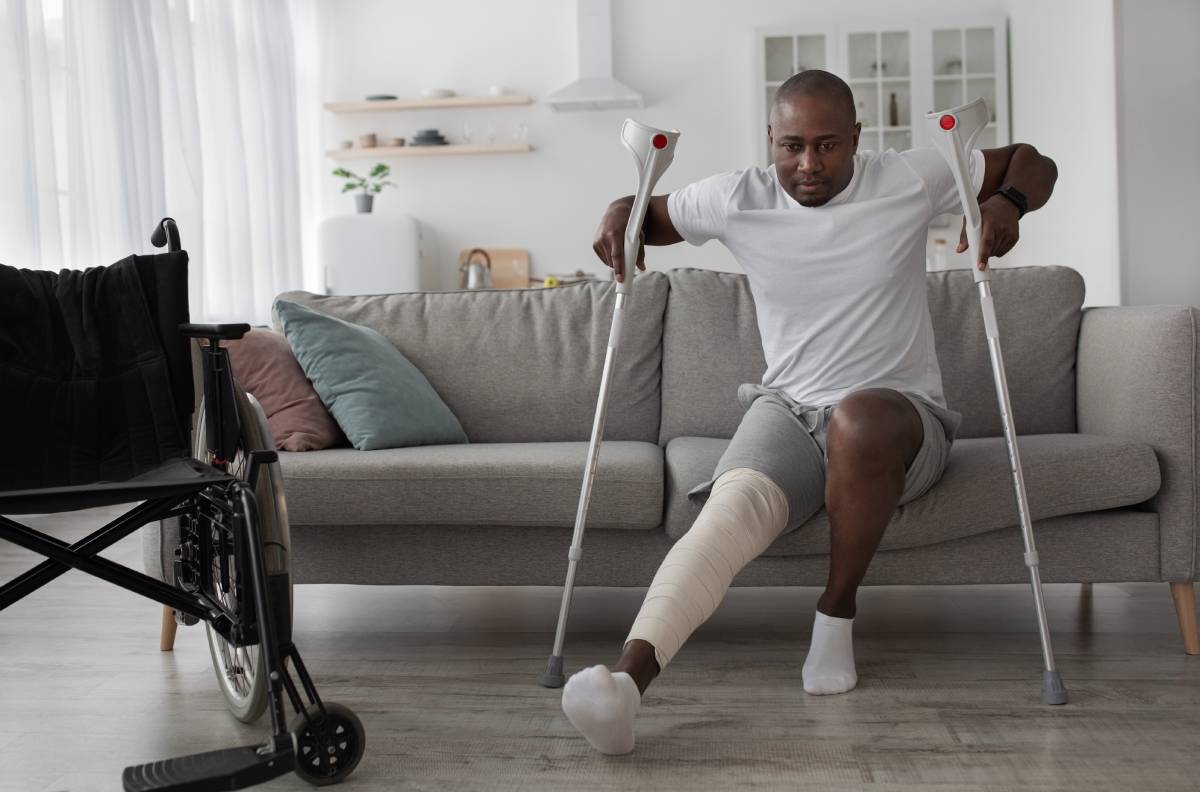
Recovery after surgery is a journey that involves more than just the healing of incisions and wounds. Early mobilization, the practice of initiating movement and activity as soon as is reasonable after surgery, has been found to play a crucial role in enhancing recovery outcomes and promoting overall well-being. More practices and healthcare providers are adopting early mobilization after surgery into their protocol.
Early mobilization involves getting patients up and moving as soon as it's deemed safe after surgery. This may include sitting on the edge of the bed, standing, walking short distances, and engaging in gentle exercises. The goal is to counteract the potential negative effects of prolonged bed rest and promote a faster return to normal daily activities.
Prolonged immobility can lead to various complications, including blood clots, respiratory issues, and muscle weakness. Early mobilization helps prevent these complications by improving blood circulation, maintaining respiratory function, and preserving muscle strength. Actively engaging in movement is found to accelerate the recovery process. Early mobilization helps reduce postoperative pain, enhance joint flexibility, and promote a quicker return to baseline functioning, allowing individuals to regain independence sooner.
Immobility increases the risk of infections, particularly in surgical wounds. By encouraging early mobilization, healthcare professionals aim to minimize the time patients spend lying in bed, decreasing the likelihood of infection and promoting optimal wound healing. Being mobile and actively participating in one's recovery can also have positive effects on mental health. Early mobilization fosters a sense of accomplishment, independence, and control over the recovery process, contributing to overall psychological well-being.
The timing and intensity of early mobilization depend on the type of surgery, individual patient factors, and the recommendations of the healthcare team. In many cases, mobilization begins within the first 24 to 48 hours after surgery. Even for individuals who have undergone major procedures, healthcare professionals may initiate activities such as sitting on the edge of the bed or moving the limbs to prevent stiffness and muscle atrophy.
While early mobilization is generally beneficial, certain factors may limit the extent of movement after surgery. Healthcare providers must carefully assess each patient's case to determine the most appropriate and safe early mobilization plan.
There are several general tips that can improve recovery. Adhering to the guidance of healthcare providers is essential. They will provide specific instructions based on the surgery performed, individual health status, and any potential limitations. Patients should also move gradually. Early mobilization doesn't have to involve intense physical activity immediately. Starting with simple movements, such as sitting up or standing with assistance, gradually progressing to walking, is a prudent approach.
Proper hydration supports overall well-being and can aid in preventing complications. Adequate fluid intake contributes to improved circulation and helps maintain organ function during the recovery period. Finally, in some cases, healthcare providers may recommend the use of assistive devices, such as walkers or canes, to ensure stability and safety during early mobilization.
Early mobilization after surgery is a valuable aspect of the recovery process, contributing to better outcomes and a smoother return to daily activities. By embracing movement early on, individuals undergoing surgery can actively participate in their recovery, mitigate the risk of complications, and experience a more positive and empowering journey back to health. As always, individuals should consult with their healthcare providers to tailor an early mobilization plan that aligns with their specific medical condition and surgical experience.
References
- Upper endoscopy – Mayo Clinic. Available at: https://www.mayoclinic.org/tests-procedures/endoscopy/about/pac-20395197. (Accessed: 2nd October 2023)
- Upper GI Endoscopy – NIDDK. Available at: https://www.niddk.nih.gov/health-information/diagnostic-tests/upper-gi-endoscopy. (Accessed: 2nd October 2023)
- Upper GI Endoscopy | Johns Hopkins Medicine. Available at: https://www.hopkinsmedicine.org/health/treatment-tests-and-therapies/upper-gi-endoscopy. (Accessed: 2nd October 2023)