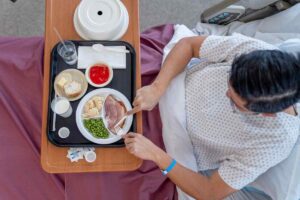
One of the most important aspects of postoperative care is knowing when and what to eat and drink after a procedure involving anesthesia. Anesthesia can significantly affect the digestive system and overall body functions, so it is essential to follow specific guidelines to ensure a smooth recovery. Understanding the impact of anesthesia on the body and adhering to post-procedure dietary guidelines can help patients avoid complications and support their overall recovery.
Anesthesia, especially general anesthesia, can interfere with the normal functioning of the gastrointestinal system. After a procedure, it is common for patients to experience nausea, vomiting, and a feeling of disorientation. These side effects can make eating and drinking challenging and uncomfortable. The medications used during anesthesia can slow down the digestive process, which means that the stomach and intestines may not be able to handle food and beverages normally immediately after the procedure.
Clear liquids are usually the first thing that patients are allowed to consume after waking up from anesthesia. Water, apple juice, broth, and similar beverages are easy to digest and can help rehydrate the body without overwhelming the stomach. These liquids do not leave residue in the digestive tract and can help ease the transition back to normal eating.
Patients who have undergone general anesthesia are typically advised to wait until they are fully alert before attempting to drink liquids. This is because anesthesia can affect the gag reflex, increasing the risk of aspiration, which occurs when fluid or food enters the airway instead of the stomach. Healthcare providers will often monitor patients closely during this period to ensure they can swallow safely before allowing them to drink.
As patients begin to feel better and their digestive system returns to normal, they can gradually progress to more solid foods. Soft, easily digestible foods such as crackers, toast, and bananas are often recommended initially because they are gentle on the stomach. Avoiding rich, fatty, spicy, or heavy foods in the early stages of recovery is advised, as these can be difficult to digest and may worsen any nausea or discomfort.
In some cases, the type of surgery performed may affect the timeline for resuming eating and drinking. For example, patients who have had abdominal surgery may need to wait longer before eating solid foods due to the potential impact on the digestive organs. Surgeries involving the gastrointestinal tract may require a more gradual approach to reintroducing foods, as the digestive system needs time to heal.
It is also important to stay hydrated after anesthesia. Dehydration can exacerbate feelings of nausea and tiredness, and proper hydration supports the body's recovery processes. Patients are often encouraged to sip water or other clear fluids throughout the day, gradually increasing the amount as they feel comfortable.
Patients should also be aware of the signs of complications related to eating and drinking after anesthesia. Persistent vomiting, severe nausea, difficulty swallowing, or signs of dehydration, such as dark-colored urine or extreme thirst, should be reported to a healthcare provider promptly. These symptoms may indicate a need for additional medical attention.
Overall, eating and drinking after anesthesia requires patience and careful attention to the body's signals. Following the specific guidelines provided by healthcare professionals and taking a gradual approach to reintroducing food and fluids can help ensure a safe and comfortable recovery. It is always best to follow the advice of the medical team, as they are best positioned to provide guidance based on the individual patient's health and the specific procedure performed.
References
- Renard, D., Clavier, T., Gourcerol, G. & Desprez, C. Impact of anesthesia drugs on digestive motility measurements in humans: A systematic review. Neurogastroenterol Motil 36, e14855 (2024). DOI: 10.1111/nmo.14855
- Ogilvy, A. J. & Smith, G. The gastrointestinal tract after anaesthesia. Eur J Anaesthesiol Suppl 10, 35–42 (1995).
- Dai, S., Chen, L., Wu, M., Guo, L. & Wang, R. Timing of early water intake post-general anaesthesia: a systematic review and meta-analysis. BMC Anesthesiol 24, 135 (2024). DOI: 10.1186/s12871-024-02520-x
- Yin, X., Ye, L., Zhao, L., Li, L. & Song, J. Early versus delayed postoperative oral hydration after general anesthesia: a prospective randomized trial. Int J Clin Exp Med 7, 3491–3496 (2014). DOI: 10.1186/s12871-020-01086-8
- Philadelphia, T. C. H. of. Your Child's Recovery After Surgery | Children's Hospital of Philadelphia. https://www.chop.edu/patients-and-visitors/guide-your-childs-surgery/your-childs-recovery-after-surgery.
- Toms, A. S. & Rai, E. Operative fasting guidelines and postoperative feeding in paediatric anaesthesia-current concepts. Indian J Anaesth 63, 707–712 (2019). DOI: 10.4103/ija.IJA_484_19
- General anaesthetic. nhs.uk https://www.nhs.uk/conditions/general-anaesthesia/ (2017).
- Dietitians – Eating and drinking after surgery :: East Lancashire Hospitals NHS Trust. https://elht.nhs.uk/patients/your-enhanced-recovery-programme/surgery-school/what-expect-whilst-hospital/dietitians-eating-and-drinking-after-surgery.
- Nausea and Vomiting After Surgery: Care Instructions. https://myhealth.alberta.ca:443/Health/aftercareinformation/pages/conditions.aspx?hwid=abq1701.
- After Surgery: Discomforts and Complications | Johns Hopkins Medicine. https://www.hopkinsmedicine.org/health/treatment-tests-and-therapies/after-surgery-discomforts-and-complications.