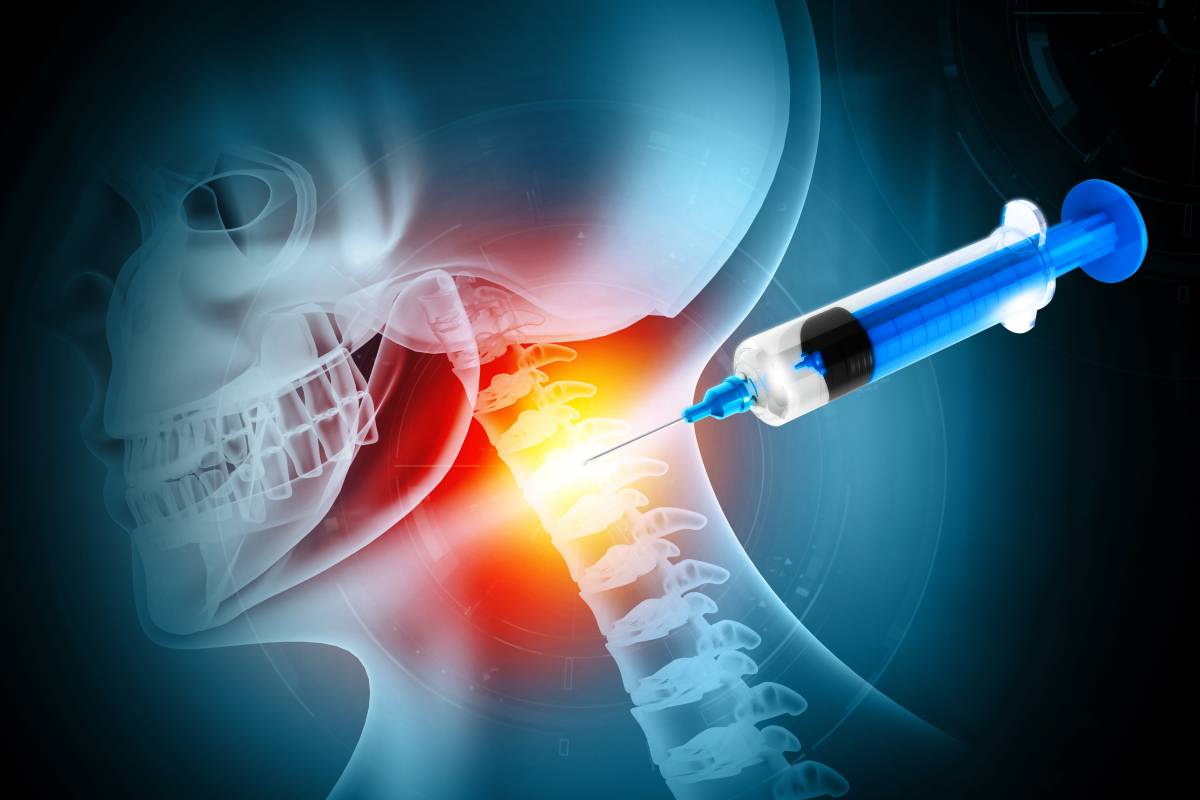
Neuraxial anesthesia, encompassing both spinal and epidural anesthesia, is typically reserved for surgeries involving the lower abdomen, pelvis, and lower extremities to avoid impairment of the respiratory system. However, neuraxial anesthesia may be used in the cervical spine for specific surgical cases involving the upper torso, neck, or head, especially in the context of the risks associated with general anesthesia or adverse reactions to general anesthesia.
Cervical spine surgeries, including procedures such as decompressions, fusions, and laminectomies, are typically performed under general anesthesia. This approach provides complete unconsciousness, ensuring immobility and optimal surgical conditions. However, general anesthesia is associated with several disadvantages, including prolonged recovery time, hemodynamic instability, and respiratory complications. The use of cervical neuraxial anesthesia may offer an alternative that also provides adequate analgesia and muscle relaxation.
One of the main advantages of neuraxial anesthesia in cervical spine surgery is that "it can provide strong analgesia and may avoid or reduce perioperative cardiovascular or respiratory complications" linked to general anesthesia. By maintaining spontaneous respiration and avoiding intubation, neuraxial anesthesia reduces airway risks. This proves particularly valuable for patients with COPD, asthma, obstructive sleep apnea, GERD, swallowing difficulties, or prior adverse reactions to general anesthesia. General anesthesia additionally carries risks of intraoperative hypotension and tachycardia.
Multiple studies demonstrate successful neuraxial anesthesia applications in cervical spine procedures. One prospective randomized controlled trial showed patients receiving neuraxial anesthesia "experienced significantly fewer postoperative complications, including nausea, vomiting, and respiratory depression." These patients reported higher satisfaction due to faster recovery and reduced postoperative pain.
Despite its benefits, neuraxial anesthesia in cervical spine surgery carries inherent risks. Potential complications include epidural hematoma, infection, and inadvertent high spinal block causing respiratory arrest. Anesthesia providers require extensive experience with neuraxial techniques, and patients need close intraoperative and postoperative monitoring. Treatment decisions should account for individual patient anatomy, comorbidities, and surgical scope. Neuraxial anesthesia involves injecting local anesthetics—sometimes with adjuncts like opioids—into epidural or subarachnoid spaces, creating temporary nerve impulse blockade. Cervical applications present particular challenges due to anatomical considerations and achieving appropriate sensory and motor blockade without compromising diaphragmatic function. Proper patient selection and technique prove crucial for safety and efficacy. Anesthesiologists must be prepared to provide rapid respiratory support if compromise occurs.
In conclusion, neuraxial anesthesia in the cervical spine represents an alternative to general anesthesia for select cases. However, clinicians must exercise extreme vigilance employing this technique. Continued research and clinical trials will clarify optimal protocols and long-term outcomes associated with neuraxial anesthesia in cervical spine surgery.
References
- Rodgers A, Walker N, Schug S, et al. Reduction of postoperative mortality and morbidity with epidural or spinal anaesthesia: results from overview of randomised trials. BMJ. 2000;321(7275):1493. doi:10.1136/bmj.321.7275.1493
- Liu SS, Wu CL. Effect of postoperative analgesia on major postoperative complications: a systematic update of the evidence. Anesth Analg. 2007;104(3):689-702. doi:10.1213/01.ane.0000255040.71600.41
- Urwin SC, Parker MJ, Griffiths R. General versus regional anaesthesia for hip fracture surgery: a meta-analysis of randomized trials. Br J Anaesth. 2000;84(4):450-455. doi:10.1093/oxfordjournals.bja.a013468