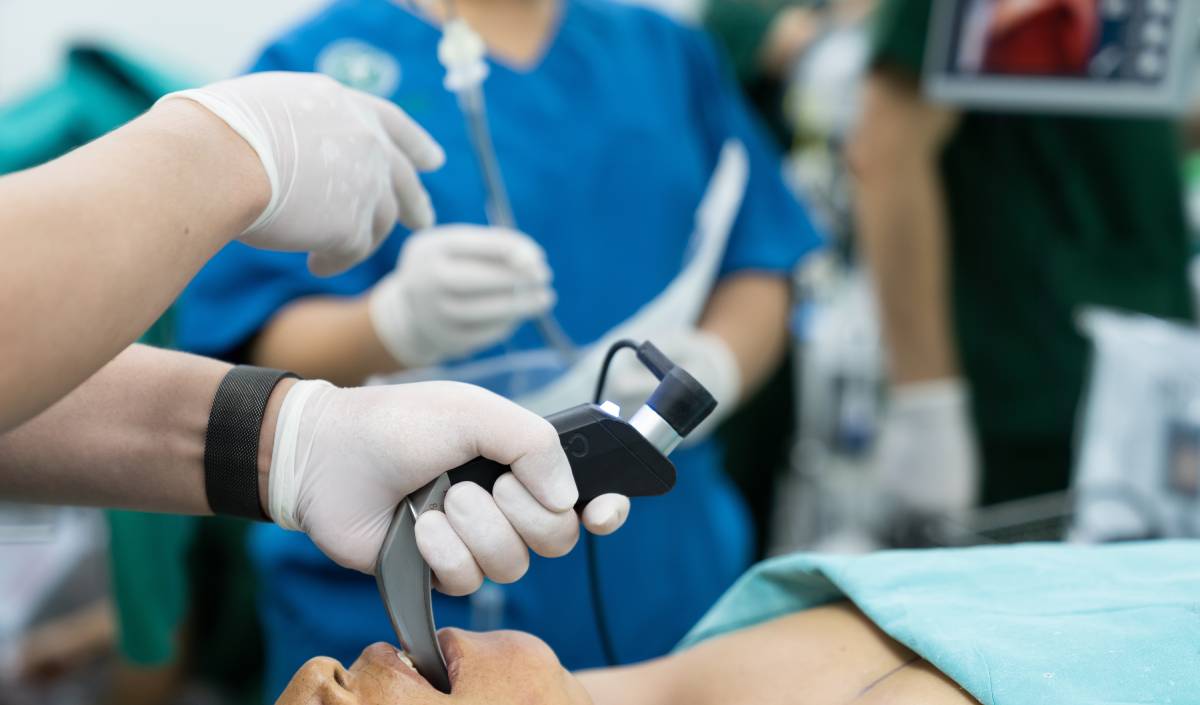
Managing a physiologically challenging airway creates distinctive obstacles across anesthesia, critical care, and emergency medicine settings. These functional impairments differ from anatomical difficulties, affecting ventilation, oxygenation, and airway stability. Anesthesiologists regularly encounter cases involving obesity, obstructive sleep apnea, neuromuscular disorders, and metabolic issues that reshape airway dynamics.
Obesity presents mechanical challenges, as adipose accumulation in upper airway regions obstructs breathing. When combined with sleep apnea—marked by recurrent airway collapse during rest—complications intensify. Poor mask sealing from facial fat and heightened desaturation risk during anesthesia induction exemplify these management difficulties.
Neuromuscular conditions compromise airway integrity through weakness. Myasthenia gravis, amyotrophic lateral sclerosis, and muscular dystrophy weaken bulbar muscles, impairing secretion handling and protective reflexes. Respiratory muscle deterioration in ALS patients may necessitate ventilatory support.
Metabolic disturbances like severe acidosis and electrolyte abnormalities alter respiratory drive and neuromuscular function. Diabetic ketoacidosis triggers compensatory hyperventilation that eventually exhausts, causing respiratory fatigue. Hyperkalemia impairs neuromuscular transmission, creating additional complexity.
Effective management requires comprehensive patient assessment, detailed histories, thorough examinations, and supporting investigations. Video laryngoscopy, fiberoptic intubation, and supraglottic devices prove valuable. Multidisciplinary collaboration with surgeons, respiratory therapists, and critical care specialists optimizes patient outcomes.
References
- Apfelbaum JL, Hagberg CA, Caplan RA, et al. Practice guidelines for management of the difficult airway: an updated report by the American Society of Anesthesiologists Task Force on Management of the Difficult Airway. Anesthesiology. 2013;118(2):251-270. doi:10.1097/ALN.0b013e31827773b2
- Benumof JL. Management of the difficult adult airway. With special emphasis on awake tracheal intubation. Anesthesiology. 1991;75(6):1087-1110. doi:10.1097/00000542-199112000-00027
- Caplan RA, Benumof JL, Berry FA, et al. Practice guidelines for management of the difficult airway: an updated report by the American Society of Anesthesiologists Task Force on Management of the Difficult Airway. Anesthesiology. 2013;118(2):251-270. doi:10.1097/ALN.0b013e31827773b2
- Crosby ET, Cooper RM, Douglas MJ, et al. The unanticipated difficult airway with recommendations for management. Can J Anaesth. 1998;45(8):757-776. doi:10.1007/BF03012147
- Frerk C, Mitchell VS, McNarry AF, et al. Difficult Airway Society 2015 guidelines for management of unanticipated difficult intubation in adults. Br J Anaesth. 2015;115(6):827-848. doi:10.1093/bja/aev371