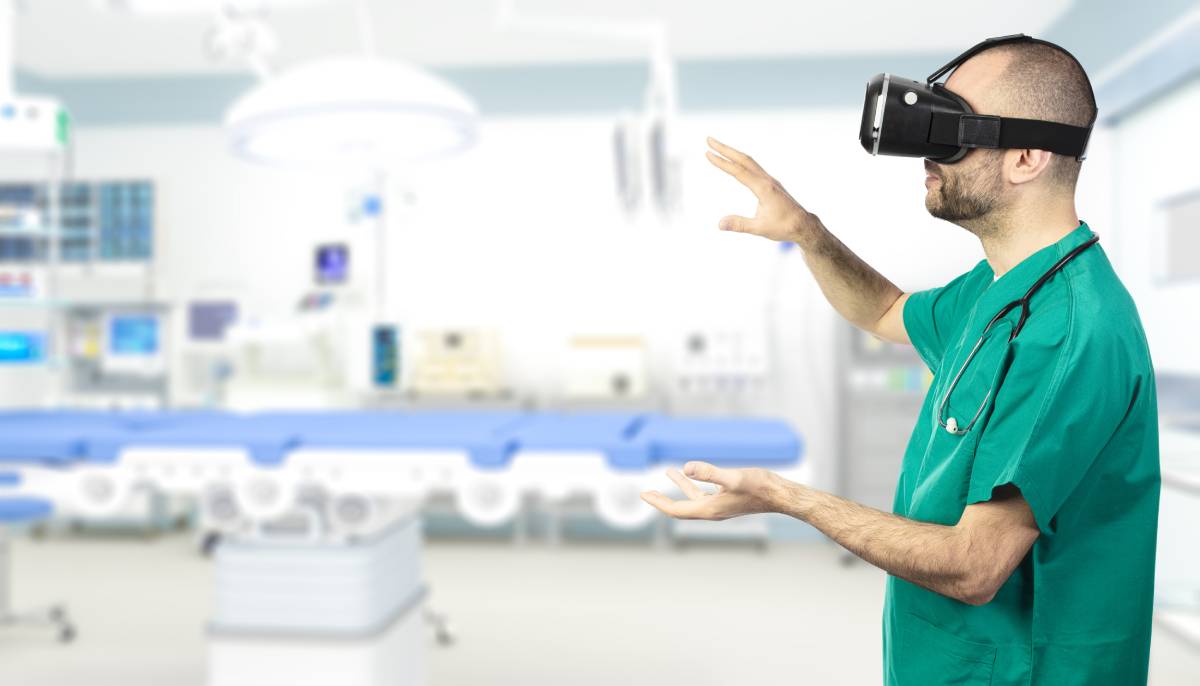
Virtual reality represents a transformative approach to anesthesia education, enabling trainees to "practice complex skills in a safe and controlled environment." Traditional methods—lectures, supervised patient practice, and manikin simulations—remain valuable but lack the immersive quality VR provides.
In VR settings, learners experience "a fully interactive operating room" where they practice administering anesthesia, placing airway devices, managing vital signs, and responding to emergencies. This simulation replicates the "sights, sounds, and pressures of a live surgical setting," allowing practitioners to perform procedures repeatedly without patient safety risks.
A major advantage involves standardization. "Every trainee can practice the same scenario under the same conditions," enabling objective performance evaluation. Advanced systems track "hand movements, timing, accuracy, and adherence to proper protocols," delivering detailed feedback difficult to obtain in actual operating rooms.
VR training offers greater accessibility than expensive manikin systems. Affordable headsets fit "small spaces, making them suitable for medical schools, hospitals, and remote training programs." Scenarios can be continuously updated to incorporate diverse anesthesia techniques and complications.
VR reduces trainee anxiety by familiarizing students with operating room environments before actual clinical duties. Repeated practice builds "confidence and muscle memory," reducing stress during patient care. Experienced clinicians use VR for professional development.
Though unable to replace real patient experience, VR "serves as a valuable bridge between theoretical learning and hands-on practice," ultimately enhancing operative care quality.